

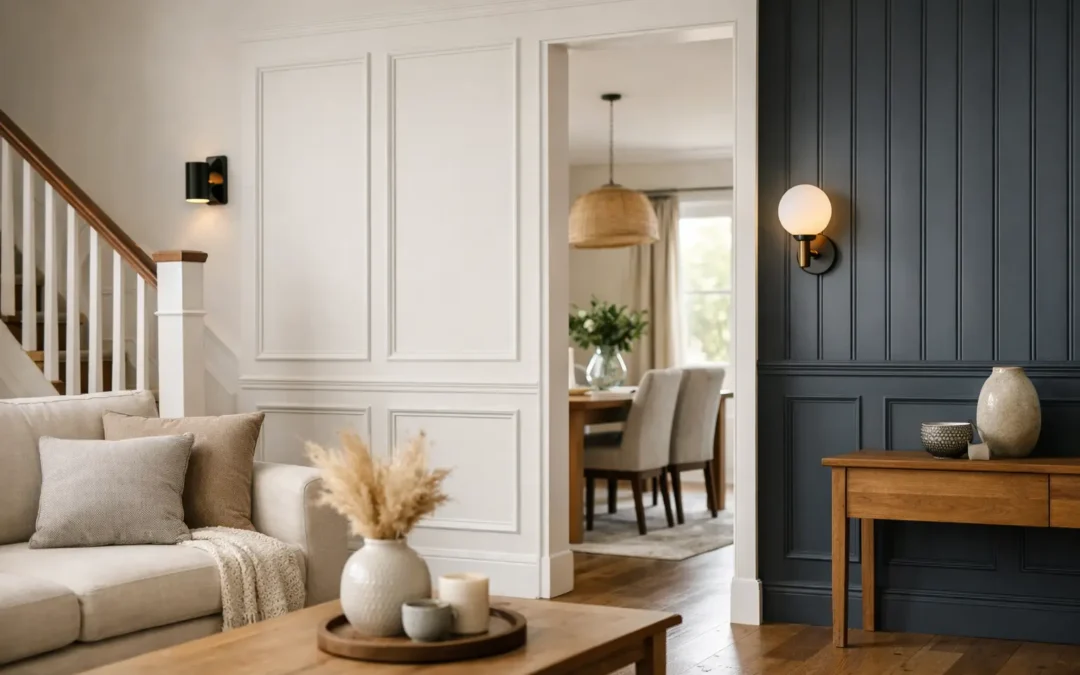
A plain wall can make an otherwise well-furnished room feel unfinished. The right wall panelling Kent homes choose is not simply decorative trim: it can bring proportion to a high ceiling, give a period property renewed definition, or make a newer home feel more considered. When it is designed around the room rather than bought as a standard kit, panelling becomes part of the architecture and works with the way you live.
For homeowners investing in fitted wardrobes, media furniture or a more refined bedroom, wall panelling is often the detail that brings the full scheme together. It creates a deliberate backdrop, disguises minor wall imperfections and adds depth without taking valuable floor space from the room.
Why wall panelling earns its place
Panelling has moved well beyond the formal dining rooms and hallways it is often associated with. Shaker-style panels suit calm, contemporary bedrooms. Slimline mouldings can add elegance to a reception room without making it feel overly traditional. Fluted or slatted finishes introduce texture behind a television, bed or desk, especially where a room needs a stronger focal point.
The practical advantage is just as compelling. Many homes have walls affected by old repairs, uneven plaster or hairline cracks that are difficult to disguise with paint alone. Panelling can provide a clean visual finish while avoiding the disruption of extensive replastering. It will not solve an underlying damp problem or structural movement, of course, and those issues must be addressed first. But on a sound, dry wall, it is an effective way to achieve a polished result.
It also allows a room to feel more connected. A painted panelled feature wall can echo the colour of fitted cabinetry, a window treatment or upholstery, creating a scheme that looks planned rather than pieced together over time.
Choosing wall panelling for Kent homes
Kent property comes in many forms, from Victorian terraces and Edwardian family houses to converted barns, coastal homes and modern developments. There is no one panel style that suits every property. The best choice depends on the scale of the room, the amount of natural light and whether you want the panelling to sit quietly in the background or lead the design.
Shaker panelling for balanced, flexible rooms
Square or rectangular Shaker panels remain a popular choice because they are adaptable. In a bedroom, they can frame the bed and create a calm headboard wall. In a hallway, a lower section of panelling offers character without making a narrower space feel enclosed. The spacing, height and rail details should be tailored carefully. Panels that are too small can look busy, while oversized panels can overpower a compact room.
Tongue-and-groove and slatted designs for texture
Vertical tongue-and-groove is particularly effective in bathrooms, boot rooms and country-style kitchens, where it gives a practical, settled look. Slatted timber-style panelling has a more contemporary feel and can improve the appearance of a media wall or home office. It needs careful use, however. Strong vertical lines can make a low ceiling appear higher, but too much dark slatting in a small room may absorb light and feel heavy.
Traditional moulded panels for period character
For properties with original cornices, fireplaces or detailed joinery, moulded wall panelling can restore a sense of proportion. It works especially well in formal reception rooms, stairwells and entrance halls. The key is restraint. New panelling should complement existing features rather than compete with them, and the moulding profile should be in keeping with the age and character of the house.
Design starts with the wall, not a trend
A photograph may show a beautiful panelled wall, but copying it exactly is rarely the right approach. A successful design accounts for the wall’s width and height, door frames, radiators, sockets, switches and furniture placement. It also considers what you see when entering the room. That first sightline often determines whether panelling should cover a full wall, run to dado height or frame a single feature area.
This is where a measured, bespoke approach makes a genuine difference. A headboard wall may need panels positioned around bedside tables and integrated reading lights. A sitting room feature wall may need to accommodate a television, concealed cables and fitted storage. In a home office, panelling can work alongside shelves and cabinetry so the room feels purposeful without becoming cluttered.
At WOW Interior Design, the design process begins with a free visit to understand the space, the practical requirements and the finish you want to achieve. Precise measuring and design development prevent the common problems of ill-placed panel lines, awkward gaps and details that do not align with fitted furniture.
Paint colour and finish make the difference
Painted panelling gives considerable freedom. Matching the panelling to the wall colour produces a subtle, architectural effect, particularly in bedrooms and quieter living spaces. Choosing a deeper shade creates contrast and can make a fireplace wall, dining area or entrance hall feel more dramatic.
Darker colours are not limited to large rooms, but they need to be balanced with the light available. A north-facing room may benefit from warmer neutrals, softened greens or muted clay tones rather than a cold blue-grey. In bright rooms, deeper charcoal, navy or forest green can add definition without making the space feel closed in.
The paint sheen matters too. A durable eggshell or satin finish is often practical for hallways, children’s bedrooms and busy family rooms because it is easier to wipe clean than a flat matt finish. For a more understated look, a quality matt paint can be effective in lower-traffic areas. The priority is a finish that suits daily life as well as the design brief.
Where panelling works best
Bedrooms are a natural starting point, particularly when wall panelling is paired with bespoke wardrobes. The panelling can establish the bed wall as a focal point while the wardrobes provide the storage that keeps the rest of the room calm. Matching painted finishes create a tailored, built-in appearance that freestanding furniture rarely achieves.
In living rooms, panelling can give a television wall a clearer purpose. Rather than leaving a screen floating on a blank wall, it can be incorporated into a balanced composition with cabinetry below, shelving to the sides or a painted panelled surround. Planning cable routes before installation is essential for a neat result.
Hallways and staircases benefit from panelling because these are hard-working areas that set the tone for the house. A lower panelled section can protect walls from scuffs caused by bags, shoes and busy family life, while a full-height treatment can turn an overlooked stairwell into a feature. Home offices, dining rooms and guest bedrooms can all benefit too, provided the design supports the room’s purpose.
The details that separate a fitted finish from a quick fix
DIY panelling kits can be tempting for a straightforward accent wall, and they can work in the right hands. The trade-off is that standard components are not made for your wall, your skirting boards or your furniture. Older homes are rarely perfectly square, and small inconsistencies become much more visible when repeated panel lines are involved.
Professional installation allows for accurate scribing, clean joins, carefully aligned rails and considered treatment around existing features. It also means the material and fixing method can be selected for the wall condition and intended finish. This is particularly valuable where panelling meets fitted wardrobes, alcove units or a bespoke media wall, as every element needs to line up.
Before committing, think about the long view. Will the design still suit the room if you repaint in a few years? Does it leave sensible access to sockets and controls? Is the height appropriate for the furniture you may add later? Good panelling is built to last, but it should not make the room less adaptable.
A well-designed panelled wall does more than fill an empty space. It gives the room structure, supports the furniture around it and makes everyday living feel more ordered. Start with how you want the room to work, then let the panelling provide the finish that makes it feel properly yours.