

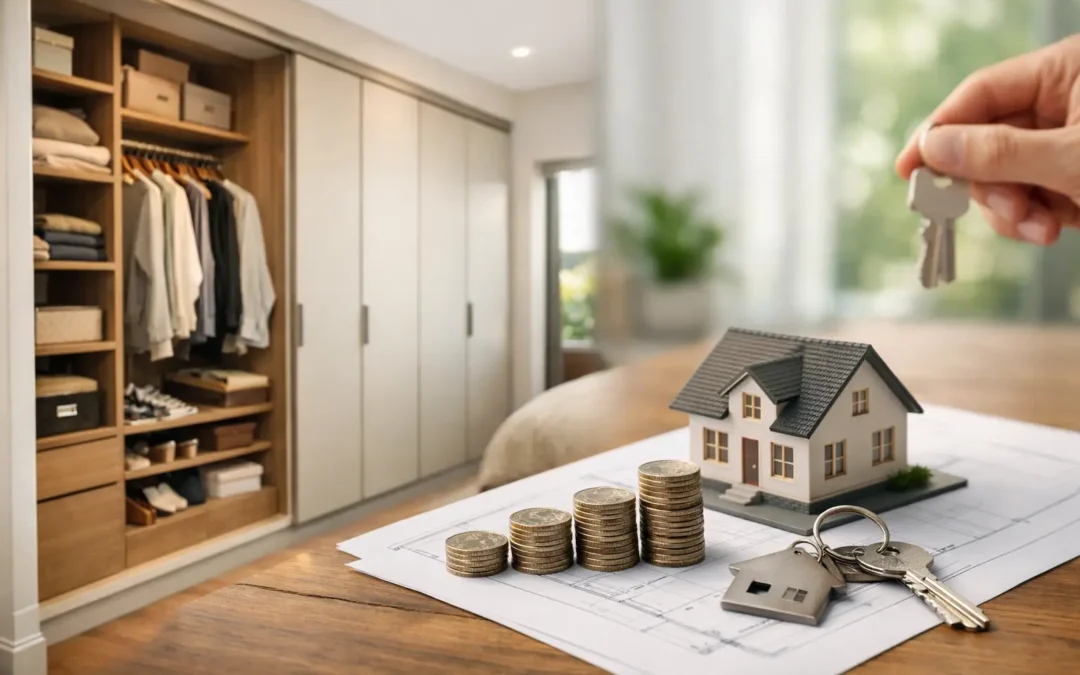
Buyers notice storage faster than many sellers expect. A bedroom can have good light, decent proportions and fresh décor, but if it feels cluttered or underused, the room loses impact. That is why the question “Can fitted wardrobes increase home value?” comes up so often. The short answer is yes, they can – but the uplift depends on how well they are designed, how well they suit the property, and whether they solve a real problem in the room.
Fitted wardrobes are not just about adding cupboards. Done properly, they make a bedroom feel larger, calmer and more finished. They turn awkward alcoves, sloping ceilings and dead space into practical storage, and that matters to buyers who want a home that works from day one.
Can fitted wardrobes increase home value in real terms?
In practical terms, fitted wardrobes can increase home value by improving saleability as much as headline price. Estate agents and buyers look at more than square footage. They look at how well the home lives. A property with thoughtful built-in storage often feels better maintained, more efficient and easier to move into.
That does not always mean a dramatic jump in valuation on paper. Home improvements rarely work like a simple pound-for-pound return. If you spend a certain amount on wardrobes, you should not assume the official value rises by exactly the same figure. What fitted wardrobes often do very well is strengthen the overall appeal of the property, help rooms present better, and reduce objections during viewings.
For many homeowners, that is where the real value sits. A more attractive, better organised home can attract stronger interest, support your asking price and help avoid the sort of buyer hesitation that leads to lower offers.
Why buyers respond well to fitted storage
Storage is one of those features people talk about after a viewing. They may not remember the exact wall colour in the second bedroom, but they will remember whether the house had enough space for clothes, shoes, linen, luggage and everyday items. Fitted wardrobes answer that question clearly.
Unlike freestanding furniture, fitted wardrobes make use of the full height and width of a room. There are no wasted gaps above the top, no awkward spaces gathering dust at the sides, and no compromise on layout just because standard sizes do not fit. That gives the room a cleaner, more considered look.
There is also a psychological benefit. When storage is built in properly, a room appears calmer and more spacious. Buyers can picture themselves living there without immediately planning extra furniture purchases or wondering where everything will go. That sense of ease has value.
They make awkward spaces work harder
Many homes have at least one bedroom with a chimney breast, sloping ceiling, alcove or uneven wall that makes off-the-shelf furniture a poor fit. In those cases, bespoke fitted wardrobes can turn a frustrating layout into a genuine selling point.
This is particularly relevant in period homes, loft conversions and properties where every inch matters. A fitted solution shows that the space has been thought through properly rather than left as an afterthought.
They create a more polished finish
A well-designed wardrobe looks integrated with the room. It can be styled to suit the age of the property, the proportions of the space and the finish of the rest of the interior. That built-in feel often gives a bedroom the same sense of completeness that buyers associate with a good kitchen or a smartly designed bathroom.
That does not mean every wardrobe needs to be elaborate. In fact, simple designs often add the most value because they appeal to the widest range of buyers.
What kind of fitted wardrobes add the most value?
Not all fitted wardrobes add value in the same way. The best return usually comes from wardrobes that are tailored to the room, built from quality materials and designed around practical day-to-day use.
The strongest examples usually share a few traits. They maximise the available space, they suit the scale of the room, and they offer sensible internal storage rather than impressive-looking but impractical features. Hanging space, shelving, drawers and easy access matter more than gimmicks.
Style matters too. Neutral, timeless finishes tend to have broader appeal than highly specific design choices. Painted wardrobes in a well-judged colour can look excellent, but they should still feel in keeping with the property. If the design is too personal or too dominant, it may limit appeal rather than widen it.
Quality of installation is equally important. Poorly aligned doors, flimsy interiors or rough finishing can have the opposite effect. Buyers may see them as another job to fix rather than an upgrade worth paying for.
When fitted wardrobes may not add much
There are trade-offs, and it is worth being realistic. If a property is in need of major structural or decorative work, fitted wardrobes alone are unlikely to shift the value significantly. Buyers will still focus on the larger issues first.
There is also a point where overspending stops making sense. If you install an extremely high-spec wardrobe system in a modest home where buyers are mainly price-sensitive, you may not recover the full cost. The wardrobes may still help the property sell, but the financial return could be limited.
Another factor is room size. In a small bedroom, bulky units can make the room feel tighter if they are not designed carefully. Bespoke furniture should improve flow, not dominate it. Good design is what makes the difference between a room that feels bigger and one that feels boxed in.
Fitted wardrobes and perceived value
Perceived value carries real weight in the property market. Buyers are not only assessing bricks and mortar. They are judging how much work the home will require, how well it has been cared for, and whether the asking price feels justified.
A fitted wardrobe contributes to that wider impression. It suggests investment, planning and attention to detail. It also reduces the number of immediate tasks for a new owner. That can be especially persuasive for busy professionals, families and downsizers who want a home that feels ready rather than full of pending decisions.
In competitive parts of the South of England, where presentation standards can be high, these details often matter. A well-finished interior with smart storage can help a property stand out against similar homes with basic or mismatched bedroom furniture.
How to make sure fitted wardrobes help rather than hinder
If your main aim is to support home value, think beyond appearance alone. Start with the room itself. Measure properly, consider how the doors will open, and make sure the design improves the layout rather than simply filling a wall.
Then think about longevity. A wardrobe should still look right in five or ten years, not just on the day it is fitted. Clean lines, good proportions and durable materials usually win over trend-led choices.
It is also worth choosing a layout that suits normal household needs. Full-height hanging for long coats is useful, but not if it means losing the shelves and drawers most people actually need. The best bespoke storage is attractive because it is practical.
A professional design and installation service can make a significant difference here. A tailored approach tends to produce a result that fits the property properly, uses space intelligently and finishes neatly around walls, ceilings and skirtings. That level of care is exactly what gives fitted furniture its edge over standard retail units.
So, can fitted wardrobes increase home value enough to justify them?
For many homeowners, yes. Fitted wardrobes can increase home value by improving how a room functions, how a property presents and how buyers feel when they walk through the door. They are especially worthwhile where storage is limited, layouts are awkward or the goal is to create a more refined, move-in-ready home.
The biggest gains usually come when the wardrobes are genuinely bespoke, well built and in keeping with the property. They should make life easier, not simply fill space. That is why a measured design process matters so much. It is not about forcing a standard unit into a difficult room. It is about creating storage that looks right, works hard and adds something lasting to the home.
If you are improving your home with one eye on future resale, fitted wardrobes are often a sensible investment because they deliver value now as well as later. You get a better room while you live there, and when the time comes to sell, buyers see a home that feels more complete.