

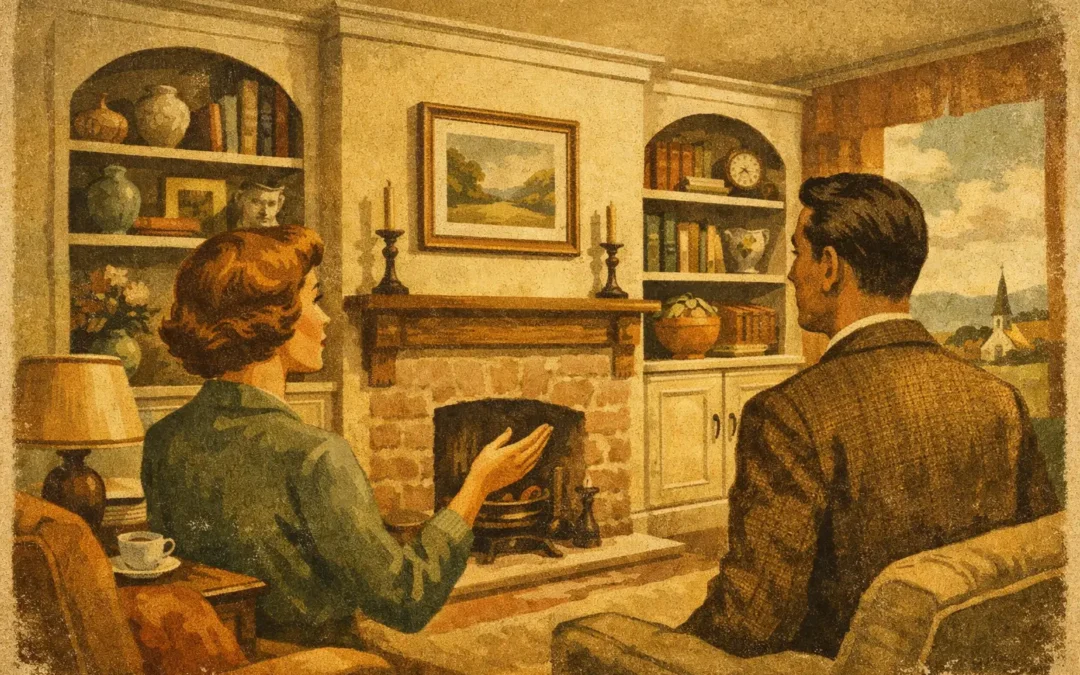
A chimney breast can make a room look characterful on paper and awkward in real life. The alcoves on either side often end up as wasted gaps, half-filled with freestanding furniture that never quite fits. That is why bespoke alcove cupboards Kent homeowners invest in tend to do far more than add storage – they bring order, balance and a proper sense that the room was finished with purpose.
Off-the-shelf units rarely solve alcove space well. Widths are inconsistent, skirting boards get in the way, walls are rarely perfectly straight and ceiling lines can be slightly out. You can force a standard cabinet into the gap, but it usually leaves dead space, visible filler pieces or an uneven look that draws attention for the wrong reasons. A made-to-measure cupboard is designed around the room as it actually is, not how a flat-pack manufacturer hopes it might be.
Why bespoke alcove cupboards work so well
Alcoves are one of those features that can either make a room more practical or make it harder to use. The difference comes down to how well the furniture responds to the space. Bespoke cupboards do that properly because every measurement, finish and internal layout is planned around the home.
In a living room, alcove cupboards can anchor the space either side of a chimney breast and create visual symmetry without feeling bulky. In a bedroom, they can turn shallow recesses into linen storage, shoe cupboards or fitted units with shelving above. In a home office, they can hide printers, paperwork and the daily clutter that makes a room feel more like a store cupboard than a place to work.
The real value is not just storage volume. It is the quality of the fit and the way it improves the room. When cupboard depth, height and detailing are chosen carefully, the result feels built in rather than added later.
Bespoke alcove cupboards in Kent homes
Homes across Kent vary enormously. Period terraces often have generous chimney breasts and uneven walls. Newer homes may have cleaner lines but tighter footprints, where every centimetre matters. Bespoke alcove cupboards in Kent homes need to respond to those differences rather than follow a standard formula.
That usually starts with the architecture. A Victorian sitting room might suit shaker-style doors, painted finishes and shelving that respects original features. A more contemporary property may call for slab fronts, minimal handles and a cleaner, kitchen-style look. Neither approach is better by default. It depends on the room, the property and how you want the furniture to work day to day.
The internal design matters just as much as the exterior. Some clients need concealed storage below with display shelving above. Others want full-height cabinetry to reduce visual clutter altogether. In family homes, cupboards often need to handle a mixture of uses at once – board games, books, charging cables, paperwork, throws and the bits that never seem to have a proper home. A bespoke design gives each category a place, which is why the room stays tidy for longer.
The details that make the difference
This is where bespoke furniture earns its keep. Good alcove cupboards are not simply boxes with doors. The plinth has to work with the skirting. Door sizes need to be in proportion to the width of the alcove. Shelves need sensible spacing for the items they will actually hold. If the cupboards sit beside a fireplace, material choice and clearances need proper thought.
Then there is the finish. Painted furniture in a chosen colour can either blend into the walls for a quieter look or provide contrast and definition. Handles, hinges, mouldings and shelf thickness all contribute to the overall result. Get those details right and the room feels calm and resolved. Get them wrong and even expensive joinery can feel heavy-handed.
What to consider before choosing alcove cupboards
The first question is not style. It is use. If you want the furniture to solve a practical problem, be honest about what you need to store and how often you need access to it. Deep cupboards sound useful, but if they swallow items into the back where you cannot reach them, they may not be the best answer. Likewise, open shelving can look excellent, but only if you are comfortable keeping it well arranged.
Think about the room as a whole. Alcove cupboards should support the layout, not fight it. In a lounge, that may mean leaving enough clearance for a sofa arm, side lighting or a media set-up. In a dining room, it could mean creating lower cupboards with a serving surface above. In a bedroom, the priority may be softer visual impact and cleaner lines.
Budget should be considered in a practical way rather than as a race to the lowest quote. Bespoke work varies based on size, complexity, internal fittings, paint finish and installation requirements. A cheaper price can sometimes mean compromise in materials, less refined detailing or more site adjustments. Equally, paying more only makes sense when the quality and service are there to support it. The best approach is to look at overall value – design, durability, finish and how effectively the cupboards solve the problem.
The process should feel straightforward
A well-run bespoke project does not need to feel complicated. It should begin with a proper conversation about the room, your storage needs and the look you want to achieve. From there, accurate measuring is essential. Alcoves are rarely simple, and assumptions made early usually cause trouble later.
Design development is where good ideas become workable furniture. This stage should cover proportions, internal storage, door styles, shelving, colours and how the cupboards will sit with existing features such as fireplaces, radiators and cornicing. Clear quotations matter too. Clients should know what is included, what finish is being supplied and how installation will be handled.
Installation is often where people notice the difference between a professional fitted furniture service and a pieced-together approach. A clean, courteous fitting team that respects the home, works accurately and finishes properly makes the entire experience easier. That matters just as much as the drawings.
With more than 25 years of experience, WOW Interior Design takes that practical, end-to-end approach seriously. For homeowners who want fitted furniture done properly, that means one team handling design, measuring, manufacture and installation with a clear focus on fit, finish and usability.
Common mistakes to avoid
One of the biggest mistakes is copying a photo without considering the room. Inspiration is useful, but alcove cupboards need to suit the exact proportions and function of your space. What works in a tall London townhouse may look cramped in a lower-ceilinged semi.
Another common issue is prioritising appearance over storage planning. A beautiful run of cupboards is not especially helpful if the shelf heights are wrong, the doors open awkwardly or the internals do not reflect real household use. The best fitted furniture looks right because it works right.
It is also worth avoiding the temptation to overfill every inch. Sometimes leaving breathing space above lower cupboards or combining concealed storage with a few open shelves gives a better result than building wall-to-wall mass. Bespoke does not mean adding more for the sake of it. It means making better decisions.
A good alcove design should last
Trends come and go, but well-proportioned fitted furniture tends to stay relevant because it is rooted in the room. Neutral painted finishes, sensible door styles and quality materials age far better than novelty features. If you think you may redecorate in a few years, choose cupboard detailing that gives flexibility.
Durability also comes from construction and installation quality. Doors should align neatly, shelves should feel substantial and the cabinetry should sit cleanly against walls and floors. These are practical standards, not luxury extras. If the furniture is being built into the fabric of your home, it should feel dependable every time you use it.
Bespoke alcove cupboards are at their best when they make everyday life easier without shouting for attention. They clear clutter, sharpen the look of a room and use space that would otherwise remain awkward. If the design is right, you stop noticing the problem the alcove used to be – and simply enjoy a room that works as it should.