

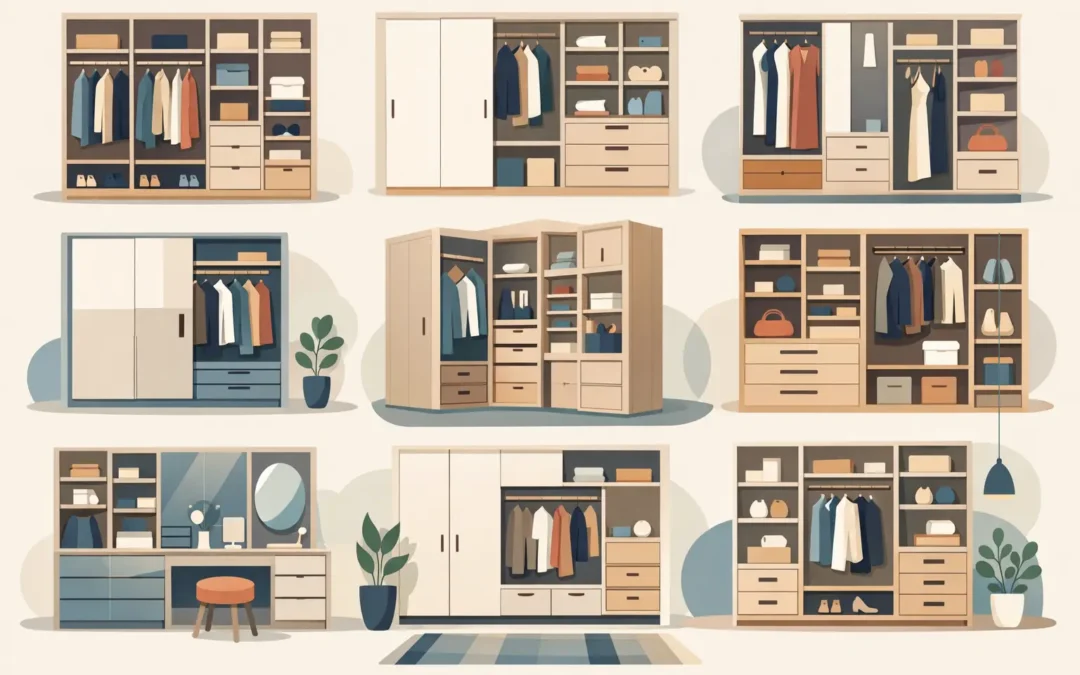
A good wardrobe should do more than hold clothes. The best fitted wardrobe examples solve a problem you live with every day – wasted corners, cluttered floors, poor layout, or a bedroom that never quite feels finished.
That is why looking at real design approaches matters more than scrolling through generic inspiration. A fitted wardrobe is not just about choosing doors. It is about shaping storage around your room, your routines and the way you want the space to feel when everything is put away.
Fitted wardrobe examples for different room types
The most useful fitted wardrobe examples are the ones that show how design changes according to the room. A wardrobe that works beautifully in a large principal bedroom may be completely wrong for a box room, loft conversion or alcove.
In a standard rectangular bedroom, full-wall wardrobes often make the most sense. They bring order to the space quickly, especially when they run from wall to wall and floor to ceiling. This gives a cleaner, more built-in look than separate units and avoids the dusty gap above freestanding furniture. Internally, you can divide the space into long hanging, double hanging, shelving and drawers so it works hard without looking overcomplicated from the outside.
In smaller bedrooms, the strongest examples are usually simpler. Slim shaker doors, lighter painted finishes and careful internal planning can stop the room feeling crowded. The mistake many homeowners make is assuming a smaller room needs a smaller idea. In reality, taking fitted storage right up to the ceiling often frees up more floor area and makes the room feel calmer.
Loft bedrooms are where bespoke work really proves its value. Sloping ceilings, reduced head height and odd corners can make standard wardrobes almost useless. A fitted design can follow the pitch of the roof, use lower sections for drawers or shelving, and turn dead space into proper storage. It is not about forcing a rectangle into an awkward shape. It is about designing around the architecture so the room works as a whole.
Examples of fitted wardrobe door styles
Door style changes the character of the room just as much as the storage inside. Some fitted wardrobe examples look sleek and contemporary, while others feel more classic and architectural. The right choice depends on the room, the house and the finish you want overall.
Shaker wardrobes remain a reliable choice because they suit both traditional and modern homes. The framed detail adds depth without becoming fussy, and they work particularly well when painted to match other fitted furniture in the room. If you want a timeless look that will still feel right in years to come, this is usually a safe place to start.
For a more contemporary feel, slab doors create a cleaner line. They work well in minimalist bedrooms, especially in muted tones or wood-effect finishes. Handleless options can look smart, but they need careful planning. In family homes, practical handles are often easier to live with and keep cleaner.
Mirrored doors are another common example, particularly in smaller bedrooms where they help bounce light around the room. They can reduce the need for a separate full-length mirror and make narrow spaces feel less enclosed. The trade-off is maintenance. Mirrors show fingerprints quickly, so they suit some households better than others.
Fitted wardrobe examples with clever internal layouts
The exterior gets attention, but the inside is where success or failure usually sits. The best fitted wardrobe examples are not the ones with the fanciest finish. They are the ones where everything has a place and daily routines feel easier.
For couples, split interiors are often the most practical option. One side may prioritise long hanging for dresses and coats, while the other uses double hanging for shirts and jackets. Drawers at mid-height keep smaller items accessible, and shelving above works for less-used belongings such as seasonal knitwear or spare bedding.
For children’s rooms, the priorities are different. Lower rails, accessible drawers and shelves that can change function over time tend to work best. A design that suits a six-year-old may need to work differently by the time they are sixteen, so flexibility matters.
In dressing areas or principal bedrooms, more tailored features often come into play. Pull-out shoe shelves, internal mirrors, jewellery drawers and dedicated compartments for handbags or accessories can make the wardrobe feel much more considered. These details are worth including if you will use them every day. If not, they can become expensive extras that add little real value.
Using fitted wardrobes around awkward features
Some of the strongest fitted wardrobe examples come from rooms that look difficult on paper. Chimney breasts, alcoves, bulkheads and uneven walls are usually the reason homeowners move away from freestanding furniture in the first place.
Alcove wardrobes are a classic solution. By fitting storage neatly into either side of a chimney breast, you turn what would otherwise be fragmented wall space into a balanced feature. This can work especially well in period homes, where the wardrobe design can be styled to complement the character of the property rather than fight against it.
Around bulkheads or boxed-in pipework, a bespoke approach avoids the usual compromise of losing half a wardrobe to unusable voids. Instead, the design absorbs these awkward elements and redistributes storage sensibly. That might mean drawers below, cupboards above, or shelving where full-depth hanging is not possible.
This is where experience matters. Measuring awkward rooms is not simply about noting dimensions. It is about knowing how to make the finished installation look intentional and well resolved, rather than obviously built around a problem.
Colour and finish ideas that change the result
When people search for fitted wardrobe examples, they often focus on layout first. In practice, colour and finish have a major effect on whether the room feels calm, bold, bright or heavy.
Soft painted shades remain popular because they give a tailored look without overpowering the room. Warm whites, gentle greys, soft greens and muted blues all work well, especially when the wardrobes cover a large wall area. They can help fitted furniture blend into the room rather than dominate it.
Darker colours can look striking, particularly in larger bedrooms with good natural light. Deep navy, charcoal or richer green tones can add depth and a more luxurious feel. The trade-off is that darker finishes tend to feel more assertive. In a small room with limited light, they need to be handled carefully.
Woodgrain finishes bring warmth and texture, and they can work well in modern schemes where you want something cleaner than a painted shaker style. They are often a strong choice when you want the room to feel contemporary but not stark.
At WOW Interior Design, this is often where bespoke service makes the difference. Being able to tailor the finish to the room, rather than choose from a narrow retail range, usually leads to a more convincing result.
What these fitted wardrobe examples have in common
Although styles vary, the most successful fitted wardrobe examples tend to share the same principles. They respect the room, they solve a practical storage issue, and they look proportioned to the space.
They also avoid common mistakes. One is overcomplicating the internals with features that sound useful but rarely get used. Another is choosing a style that clashes with the rest of the home. A wardrobe should feel like part of the room, not a statement piece dropped in from somewhere else.
The best projects also think beyond the wardrobe itself. Bed position, door swing, natural light, socket placement and circulation all matter. A beautifully made wardrobe can still be frustrating if it blocks movement or leaves drawers colliding with bedside tables.
Choosing the right example for your home
The right answer is rarely the most fashionable one. It is the one that suits your room size, your storage habits and the way you want the bedroom to function day to day.
If you need to hide a lot and keep the room looking calm, full-height painted wardrobes with simple detailing are often hard to beat. If your space is awkward, shaped around eaves or broken up by alcoves, fully bespoke cabinetry will usually pay for itself in usefulness alone. If visual lightness matters most, mirrored or lighter-toned doors may give you the result you want.
A well-designed fitted wardrobe should not ask you to adapt to it. It should be built around how you live, what you own and how you want the room to feel when the job is done.
Start with the problem you want solved, not just the look you like. That is usually where the best design begins.