

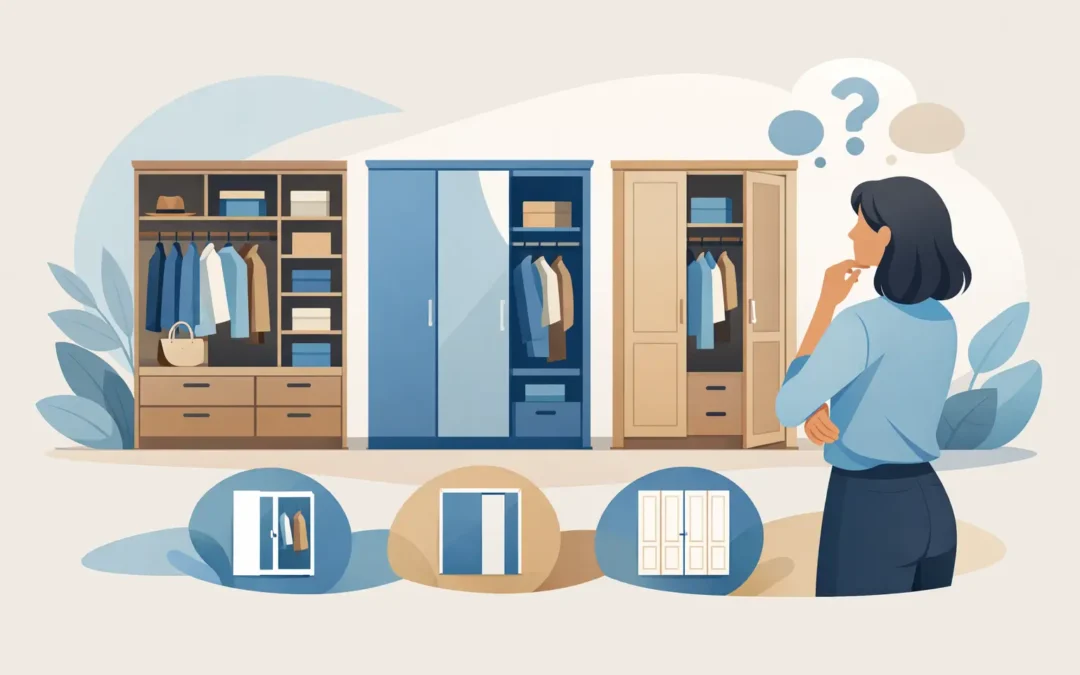
The best fitted wardrobe is rarely the one with the glossiest brochure or the cheapest quote. If you are asking which fitted wardrobes are best, the real answer comes down to how well they suit your room, your storage needs and the way you live day to day. A wardrobe that looks smart but wastes the eaves, clashes with the room or leaves you short on hanging space is not a good buy, no matter how attractive it seemed at first.
That is why fitted wardrobes should always be judged on function first, then finish. A well-designed wardrobe makes the room feel calmer, gives everything a proper place and uses every inch properly. Done well, it should look as though it has always belonged there.
Which fitted wardrobes are best for your room?
The best option depends on the shape of the space as much as the style you like. In a straightforward square bedroom, you have more freedom with door types, internal layouts and decorative finishes. In loft rooms, alcoves or older properties with uneven walls, the best fitted wardrobe is the one designed around those awkward details rather than fighting against them.
Floor-to-ceiling fitted wardrobes are often the strongest choice because they make full use of height and avoid that dust-trap gap on top. They also look more intentional than wardrobes that stop short and leave dead space above. If your room is compact, this extra upper storage can be invaluable for suitcases, seasonal bedding or less-used items.
For narrower bedrooms, sliding doors can work very well because they do not need clearance to open out into the room. That said, hinged doors still have clear advantages. They let you see the full interior at once, they are easier to access when you are getting ready in a hurry, and they often allow for more flexibility with internal drawers or pull-out features near the front.
So which is better? If space in front of the wardrobe is tight, sliding doors usually win. If access and visibility matter more, hinged doors are often the better long-term choice.
The best fitted wardrobes are bespoke, not standard
This is where many homeowners get caught out. A wardrobe made from standard carcasses with filler panels can still look tidy, but it is not the same as furniture designed specifically for your room. If you have chimney breasts, sloping ceilings, awkward corners or walls that are less than perfectly straight, standard-sized units force compromises.
A genuinely bespoke fitted wardrobe uses the room properly. The internal sections are built around what you need to store, not what happens to fit into a factory size. If you own more long dresses than shirts, that changes the hanging arrangement. If you prefer folded knitwear, drawers and shelving matter more. If two people are sharing the wardrobe, the internal design should reflect both routines rather than splitting the space in half and hoping for the best.
This is usually where the best value sits as well. Bespoke is not just about appearance. It reduces wasted space, improves usability and gives you a result that lasts because it was planned properly from the beginning.
Style matters, but practicality matters more
Most people start by thinking about doors, colours and handles. That is understandable because those are the visible choices. But the day-to-day success of a fitted wardrobe comes from what is behind the doors.
Good internal design should feel obvious once it is installed. Double hanging rails can make excellent use of height for shirts, jackets and children’s clothing. Full-height hanging is better for coats, dresses and formalwear. Deep drawers are useful, but too many can eat into hanging space. Open shelving is practical for jumpers and bags, although it needs to be proportioned properly or it becomes a dumping ground.
The best fitted wardrobes usually combine these elements rather than relying too heavily on one type of storage. That balance depends on the user. A family home may need a mix of daily access and overflow storage. A main bedroom often benefits from a more tailored arrangement, with sections for shoes, accessories, laundry and folded items.
Exterior style should support the room, not dominate it. Shaker-style wardrobes remain popular because they sit comfortably in both period and modern homes. Slab doors give a cleaner, more contemporary look. Painted finishes are especially useful because they can be matched to wall colours, woodwork or other furniture for a more cohesive result.
Materials and finish make a bigger difference than many people expect
Not all fitted wardrobes are made to the same standard. Two wardrobes can look similar on installation day and perform very differently after a few years. The quality of the board, hinges, runners, finishes and installation all affect how the furniture will hold up.
Well-made fitted wardrobes should feel solid, with doors that align properly, drawers that run smoothly and finishes that stand up to everyday use. Cheaper options may cut corners in the unseen areas, but that usually shows up later in sagging shelves, worn edges or doors that no longer sit correctly.
This does not mean every project needs the most expensive specification available. It does mean the materials should be chosen with the room and the expected use in mind. A child’s bedroom, for example, may need hard-wearing surfaces and adaptable internals. A principal bedroom may justify more decorative detailing and a finer painted finish.
A professional installation team also makes a real difference. Even the best materials can be let down by poor fitting, especially in homes where walls, floors and ceilings are not perfectly level. Precise measuring and careful scribing are what give fitted furniture that clean built-in look.
Which fitted wardrobes are best: sliding or hinged?
This is one of the most common questions, and there is no universal winner.
Sliding wardrobes are best when floor space is limited or when you want a sleeker, more contemporary appearance. Mirrored sliding doors can also help a smaller room feel lighter and larger. The trade-off is that you only access one side at a time, and the internal layout needs to be planned around the door tracks.
Hinged wardrobes are best when you want full visibility and easier access to the interior. They tend to suit classic and shaker-style designs particularly well, and they can feel more substantial in traditional homes. The compromise is that they need enough clear space in front for the doors to open comfortably.
If the bedroom is compact but not extremely tight, it is worth testing the room layout before deciding. Bed position, bedside tables and walkway space all affect which door style will feel better in practice.
The right wardrobe should improve the whole room
A fitted wardrobe should not be treated as a single piece of storage dropped into a room. The best designs improve the room as a whole. That might mean framing a bed wall neatly, incorporating bedside units, bridging over awkward recesses or creating a run of furniture that makes the room feel more balanced.
This is especially useful in properties with alcoves or unusual layouts. Instead of trying to hide difficult features, good fitted design works with them. An alcove can become deep hanging space. A sloping ceiling can be turned into drawers and shelving. A long blank wall can become organised storage that actually makes the room feel larger because clutter is reduced.
For many homeowners, that is the real advantage. You are not just buying wardrobes. You are improving how the room works every day.
What to look for before you commit
If you are comparing options, focus less on broad promises and more on how the design is developed. A good fitted wardrobe company should ask detailed questions about what you need to store, how you use the room and what finish will suit the house. They should measure carefully, explain the layout clearly and give you confidence that the furniture will be built around your space rather than made to fit a standard formula.
It is also worth checking how much is included. Design, measuring, supply and installation should feel like one managed process, not a chain of separate jobs. That tends to produce a better result and a smoother experience.
At WOW Interior Design, this is exactly the thinking behind bespoke fitted furniture. The aim is not to push one wardrobe style over another, but to create the right solution for the room, the house and the people using it.
The best fitted wardrobes are the ones that make daily life easier while lifting the whole look of the room. If you choose with that in mind, the right answer becomes much clearer – and the finished result will earn its place every single day.