

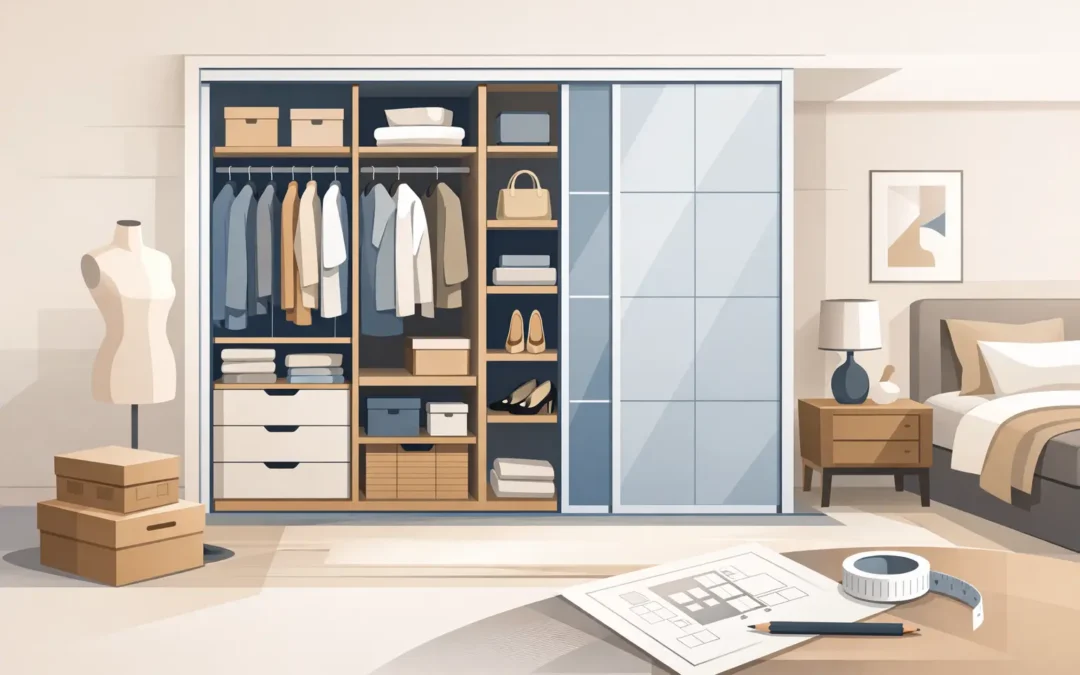
A freestanding wardrobe can only do so much. If you have sloping ceilings, alcoves, uneven walls or simply want a cleaner, more finished look, the usual flat-pack options start to feel like a compromise. That is usually the point where people ask, what is built in wardrobes, and whether they are worth doing properly.
Built-in wardrobes are wardrobes designed to fit the exact dimensions of your room rather than being bought in a standard size and placed against a wall. They are made to work with the shape of the space, whether that means wall-to-wall storage, floor-to-ceiling units, wardrobes around a chimney breast, or fitted solutions under eaves. The result is storage that looks like part of the room and works much harder than off-the-shelf furniture.
What is built in wardrobes in practical terms?
In simple terms, built-in wardrobes are fitted furniture. They are planned around your room, your storage needs and the way you use the space day to day. Instead of leaving dead gaps above, beside or behind a wardrobe, every section is measured and designed to earn its place.
That matters more than many homeowners expect. In bedrooms where space is tight, a few wasted centimetres can affect circulation, drawer access and the overall feel of the room. In larger bedrooms, fitted wardrobes help create a more cohesive finish rather than leaving the room looking pieced together.
A proper built-in wardrobe is not just a box with doors on the front. Inside, it can include double hanging, long hanging, drawers, shelving, shoe storage, pull-out accessories, dressing table areas or even integrated lighting. The design should reflect what you own and how you want the room to function.
How built-in wardrobes differ from freestanding wardrobes
The biggest difference is fit. A freestanding wardrobe is manufactured in standard dimensions, so you adapt your room around it. A built-in wardrobe is designed for the room itself.
That changes both appearance and performance. Fitted wardrobes usually sit flush to walls, can run fully to the ceiling and often look more streamlined because there are no awkward top gaps collecting dust. They can also be tailored to blend with the architecture of the room, which is especially useful in period homes, loft conversions and newer properties with awkward corners.
Storage capacity is another major difference. Two wardrobes may look similar from the front, but the fitted version often gives you noticeably more usable space because the internals are planned properly. You are not paying for voids, filler gaps or standard layouts that do not suit your belongings.
There is, however, a trade-off. Freestanding furniture can be moved if you redecorate or move house. Built-in wardrobes are a fixed part of the room. For most homeowners investing in a long-term upgrade, that is a benefit rather than a drawback, but it is still worth understanding.
Where built-in wardrobes work best
Built-in wardrobes are especially effective in rooms where standard furniture struggles. Loft bedrooms are the obvious example. Sloping ceilings and low knee walls can make retail wardrobes impractical, whereas fitted storage can turn those awkward areas into useful, tidy space.
They also work well in alcoves, along full bedroom walls, around beds, and in master bedrooms where a more polished finish is a priority. In smaller homes, they can make a room feel bigger because the layout is cleaner and the storage is more controlled.
For family homes, fitted wardrobes also help reduce visual clutter. That makes a real difference in bedrooms that need to stay calm and functional even when daily life is anything but.
What goes inside a built-in wardrobe?
This is where bespoke design earns its keep. The exterior matters, of course, but the real value is in the internal layout.
Someone with more dresses, coats or suits will need generous hanging sections. Someone else may want more shelves, drawers and compartments for folded clothing. Children’s rooms need a different approach again, often with storage that can adapt as they grow. A shared wardrobe for a couple should not simply be split in half if one person needs more hanging space and the other needs more drawers. Good design looks at habits, not assumptions.
Door style also affects how the wardrobe works. Hinged doors can give full access to the interior and often suit larger rooms. Sliding doors save floor space and are useful where access is tighter, although they do limit how much of the wardrobe can be open at one time. Neither option is automatically better. It depends on the room and the way you use it.
Finishes matter too. A built-in wardrobe can be understated and architectural, or it can become a clear design feature. Painted finishes, woodgrain effects, mirrored panels and classic shaker styles each create a different feel. The best choice is usually the one that complements the room rather than trying to dominate it.
Are built-in wardrobes worth it?
For many homeowners, yes, because they solve several problems at once. They improve storage, make better use of the room, and create a more finished interior. When done well, they can also add a sense of quality that freestanding furniture rarely matches.
That said, value depends on your priorities. If you want the cheapest possible storage solution for a short-term need, built-in wardrobes are probably not the right route. Bespoke fitted furniture is an investment. It makes more sense when you are improving your home for the long run and want the room to work properly every day.
It is also worth thinking beyond storage alone. A fitted wardrobe can remove the need for extra chests of drawers, reduce clutter elsewhere in the room and improve the layout overall. In practical terms, that often means the bedroom feels calmer, larger and easier to keep organised.
What affects the cost?
There is no single price because built-in wardrobes are not a one-size product. Cost depends on the size of the installation, the complexity of the room, the materials and finish, and the internal features you choose.
A straightforward run of fitted wardrobes on a flat wall will usually cost less than a design built around alcoves, sloping ceilings or integrated dressing areas. Painted finishes, premium internals and specialist accessories will also raise the price. That does not mean they are extras for the sake of it. In many cases they are what turn a wardrobe from basic storage into something genuinely useful and long-lasting.
The important point is to compare like with like. A bespoke fitted wardrobe should not be judged purely against the price of a retail unit. You are paying for design, accurate measuring, made-to-fit manufacture, materials, installation and a result that is tailored to your room.
How the process usually works
A good fitted wardrobe project starts with a proper design conversation. That means looking at the room, taking measurements, understanding what needs to be stored and discussing style, finish and budget openly.
From there, the design is developed so the wardrobe fits both the space and the practical requirements. This stage matters. It is where awkward access issues, ceiling heights, skirting details and internal layouts are resolved before any manufacturing begins.
Installation should then be precise, tidy and professionally managed. That is one of the main reasons homeowners choose a specialist company rather than trying to patch together a custom look from standard components. The finish is simply different when the whole job is measured, planned and installed as one complete piece of fitted furniture.
For homeowners in Kent and across the South of England, this is often where working with an experienced bespoke team makes the process feel far more straightforward. You are not left trying to second-guess measurements or coordinate multiple trades.
What to consider before choosing built-in wardrobes
Think first about how you want the room to feel, not just how much storage you can fit in. More is not always better if it makes the space heavy or awkward. The best wardrobes balance capacity with proportion.
It is also worth being honest about your daily routine. If drawers are always overfilled, if longer items end up crushed, or if seasonal clothes have nowhere sensible to go, those frustrations should shape the design. A wardrobe should make everyday use easier, not simply look smart on installation day.
Finally, choose a design that suits your home rather than chasing whatever is fashionable at the moment. Clean lines, good proportions and quality finishes tend to age far better than trend-led details.
Built-in wardrobes are, at heart, a practical answer to a common problem: how to make a bedroom work better without wasting space. When they are designed well, they do more than store clothes. They bring order to the room, sharpen the look of the interior and make the space feel properly finished – which is exactly why so many homeowners never go back to standard wardrobes once they have lived with fitted ones.