

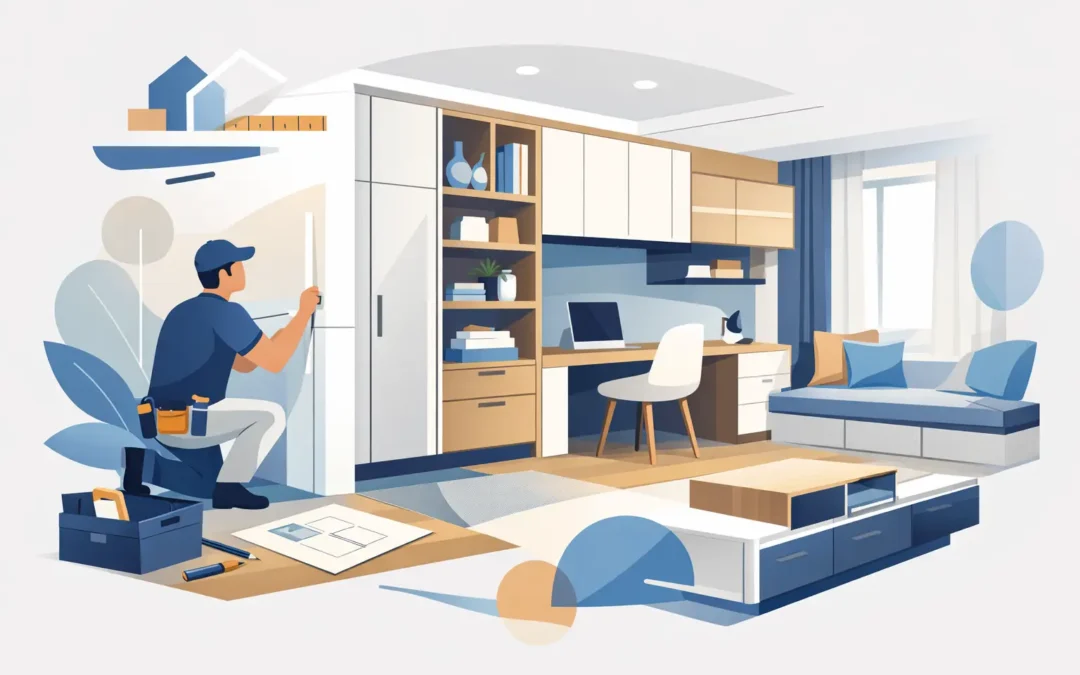
The difference shows up in the gaps. The wasted strip beside a wardrobe, the dead space under an eaves ceiling, the home office that never quite works because standard desks and cupboards were never made for that room. Bespoke fitted furniture solves those problems properly. It is built around your space, your storage habits and the way you want the room to feel, so the result looks intentional rather than improvised.
For many homeowners, that matters just as much as appearance. A room can look tidy for a photograph, but if it is hard to use every day, it has missed the point. Good fitted interiors do both. They sharpen the look of a room and make it easier to live in, whether that means a calmer bedroom, a better organised hallway, a home office with everything in its place, or a living area that finally feels finished.
What bespoke fitted furniture really gives you
The biggest advantage is precision. Off-the-shelf furniture is designed to suit the average room, and most rooms are not average. Period houses have alcoves and chimney breasts. Newer homes often need every inch used carefully. Loft conversions, box rooms and awkward corners all expose the limits of standard furniture very quickly.
With bespoke fitted furniture, the design starts with the room you actually have. Height, width, ceiling slope, sockets, skirting boards and door swings are all taken into account from the beginning. That means no filler units that look like an afterthought and no compromise where a wardrobe is almost right but never quite enough.
The second advantage is control. You decide how the inside works, not just the exterior finish. Hanging space can be longer or shorter depending on your clothes. Shelving can be deeper where you need it. Drawers can be built for knitwear, shoes, files, toys or media equipment. If you want painted finishes in a precise colour, integrated lighting, hidden cable management or panelling that ties the whole room together, that is part of the brief rather than an extra struggle later.
Where bespoke fitted furniture works best
Bedrooms are the obvious place to start because storage pressure is usually highest there. Fitted wardrobes can run wall to wall and floor to ceiling, turning underused areas into practical storage without making the room feel crowded. In smaller bedrooms, that extra capacity can remove the need for freestanding chests and rails, which immediately makes the space feel calmer.
Home offices are another strong case. A desk bought online may fit the width of the wall, but it rarely solves the wider problem of where paperwork, printers, screens and cables should go. A fitted office can be designed for the way you work, with a desk height that suits you, cupboards that hide clutter, shelving where it is genuinely useful and a layout that keeps the room feeling smart even after a long working day.
Living rooms, libraries and alcove storage also benefit because they need a balance of function and finish. Too much open shelving and the room can look busy. Too many solid doors and it can feel heavy. Bespoke work lets you strike the right balance for the property and your style, especially if you want media units, display shelving and wall panelling to work as one scheme rather than separate pieces.
The value is not just in storage
People often start by asking how much more storage they can get, which is fair enough. But the real value of bespoke fitted furniture is that it improves how a room feels. A well-designed fitted bedroom can look larger because there is less visual interruption. A home office can feel more professional because everything has a place. A hallway can become more welcoming because coats, shoes and bags stop dominating the entrance.
That is why tailored design matters. The best projects are not simply about packing in as many cupboards as possible. They consider sightlines, natural light, proportions and how the room is used morning and night. There is no benefit in creating a huge amount of storage if the doors feel bulky, the desk sits in the wrong place, or the room becomes harder to move around.
This is also where good advice pays off. Sometimes a client thinks they need a full wall of wardrobes, when a better answer is a smarter mix of hanging, drawers and open space. Sometimes the right move is to include a dressing table, window seat or built-in desk so the room works harder without feeling overdesigned. Practical design is about choosing the right amount, not simply more.
Bespoke fitted furniture versus freestanding pieces
There is no point pretending fitted furniture is the right answer for every room. If you move regularly, prefer to rearrange furniture often, or want a temporary solution, freestanding pieces may suit you better. They can also work well in larger rooms where space is generous and exact fit matters less.
But when the goal is to maximise awkward space, create a polished built-in look and make storage feel effortless, fitted furniture usually wins. It uses vertical space far better, avoids dust-catching gaps on top of wardrobes, and creates a cleaner line across the room. It is also more cohesive visually because finishes, proportions and details are chosen to work with the architecture instead of fighting it.
Cost is the most obvious trade-off. Bespoke fitted furniture is an investment, and it should be judged against what it replaces. If you would otherwise buy several freestanding items, live with wasted space and still feel the room is unresolved, fitted work can make better long-term sense. It is not the cheapest route, but it is often the most effective one.
What a good design and installation process looks like
A successful project starts with a proper conversation, not a catalogue. You should expect questions about how you use the room, what frustrates you now, what needs to be stored and what finish you want to achieve. Measuring is critical, but so is listening. Without that, even well-made furniture can miss the mark.
From there, the design should develop into something clear and practical. You need to understand what is being proposed, how the internals will work, what materials are being used and where there is flexibility. This stage is where experience shows. A team that designs and installs fitted interiors every day will spot issues before they reach site, whether that is an awkward ceiling line, access limitation or a better way to divide the interior.
Installation matters just as much as design. Fine details make the difference – scribed panels, clean edges, accurate alignment, tidy preparation and a fitting team that treats your home with respect. Home improvement work is disruptive enough without poor communication or a mess left behind. A courteous, organised installer gives people confidence because the quality is visible not only in the finished furniture but in the way the job is handled.
For homeowners in Kent and across the South of England, that joined-up service is often what removes the hesitation. When one experienced team manages the consultation, measuring, design, quotation and fitting, the process feels controlled from start to finish.
Choosing bespoke fitted furniture that lasts
Style matters, but longevity matters more. Trends come and go, while fitted furniture should still feel right years down the line. That usually means choosing proportions, colours and detailing that suit the property and your own taste rather than following whatever is fashionable this month.
Painted finishes remain popular because they offer flexibility and a tailored look, especially when matched to the room scheme. Natural wood tones can bring warmth. Simpler door styles often age better than heavily ornate options, although period homes can carry more detail beautifully when it is handled well. The key is consistency. The furniture should look like it belongs in the room.
It is also worth thinking honestly about daily wear. A family home needs durable finishes and practical internals. A dedicated dressing room may justify more display space. A home office used every day needs cable planning and a hard-working desktop. Good bespoke work is never one-size-fits-all, because the room is only successful if it suits the people using it.
A well-designed fitted interior does not shout for attention. It makes life easier, keeps the room looking sharper and quietly fixes the compromises that standard furniture leaves behind. If you are investing in your home, that is often the difference that makes the whole room finally feel right.